Land based cetacean journal
Watching the whales of the Minch from the land
A field journal of the whales, dolphins and porpoises of the north Minch and the north west coast of Scotland: which species pass, in which months, and how sea state, swell and glare decide what a watcher on a headland can actually see. Kept from the shore, not from a deck.
Kept from land · 10 species · 5 watch points · seasons and sea state
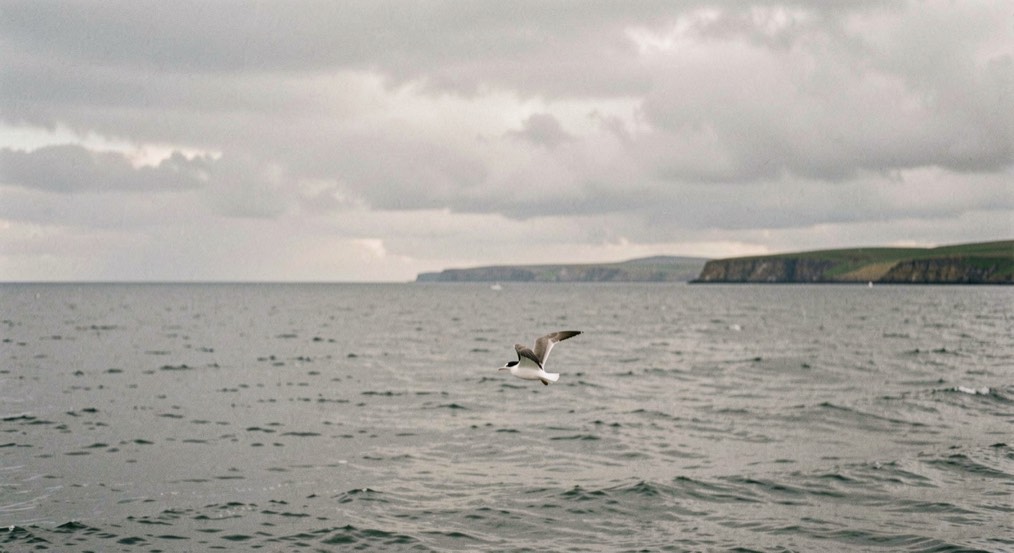
01-03The three registers
What passes this coast, where it can be watched from land, and what the year does to both.
-
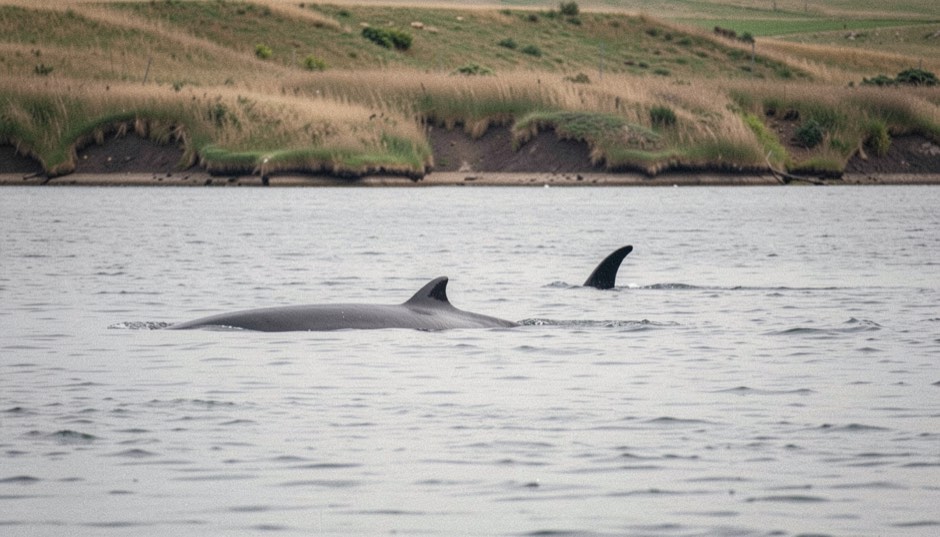
· Species
The species of the north Minch
Ten animals, ordered by how often a shore watcher meets them, and described by what is visible at a distance: the fin, the blow, the roll and the company they keep.
-
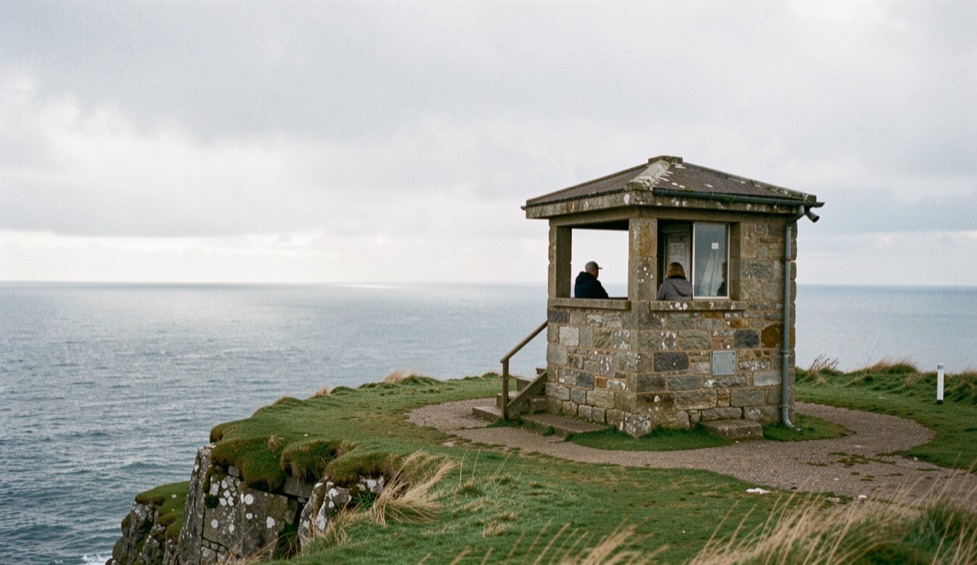
· Watch points
The shore watch points
Five places on the Minch where the Hebridean Whale Trail sends watchers, described by what they offer a pair of eyes: depth close in, height above the water, and shelter from the prevailing wind.
-
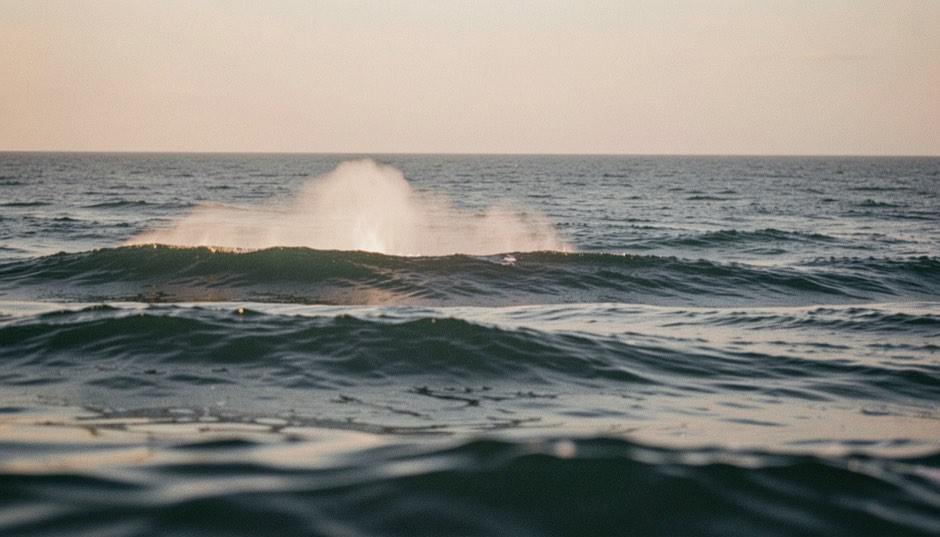
· Seasons and sea state
Seasons, sea state and light
The year decides what is out there. The morning decides how much of it you can see. Both are recorded on a standard scale, and both are worth learning.
LOGThe log
Everything this journal keeps, dated, newest first, with the entries read elsewhere among them.
-
· Seasons and sea state
Sea state, swell and glare on the north Minch shore
A shore watcher's entry on how sea state, swell and glare decide what can be seen from a north Minch headland, and which species pass in which months.
-
· Seasons and sea state
Sea state, swell and glare on the north Minch
A shore watcher's entry on how sea state, swell and glare decide what can be seen from a north Minch headland, and what the record shows.
-
· Seasons and sea state
September on the headland: what the swell allows
A shore watcher’s entry for late September on the north Minch: minke and bottlenose records, sea state, swell, glare, and what a headland can and cannot show.
-
· Seasons and sea state
Sea state, swell and glare on the north Minch
A shore watcher's entry on how sea state, swell and glare decide what can be seen from a north Minch headland, with a note on Alnwick lodging.
-

· Seasons and sea state
Shore watch, Kobe stone: a record kept from the north Minch
A dated entry from the north Minch shore watch, on what a headland reveals in poor light, and on the record kept of Japan's first mosque in Kobe.
-
· Seasons and sea state
Sea state, swell and glare on the north Minch
A shore watcher's entry on how sea state, swell and glare decide which cetaceans are seen from a north Minch headland, and in which months.
-
· Seasons and sea state
Shore watching in the north Minch: a July entry
A land based cetacean journal entry for July, on how sea state, swell and glare decide what a watcher on the north Minch headland can see.
-
· Seasons and sea state
Shore watch in the north Minch: what the sea allows
A dated entry from a land based cetacean watch on the north Minch: species by month, and how swell, sea state and glare decide what a headland can show.
-
· Seasons and sea state
A watcher's calendar on the north Minch
A dated shore watch entry from the north Minch: which cetaceans pass, in which months, and how sea state, swell and glare decide what a headland watcher sees.
-
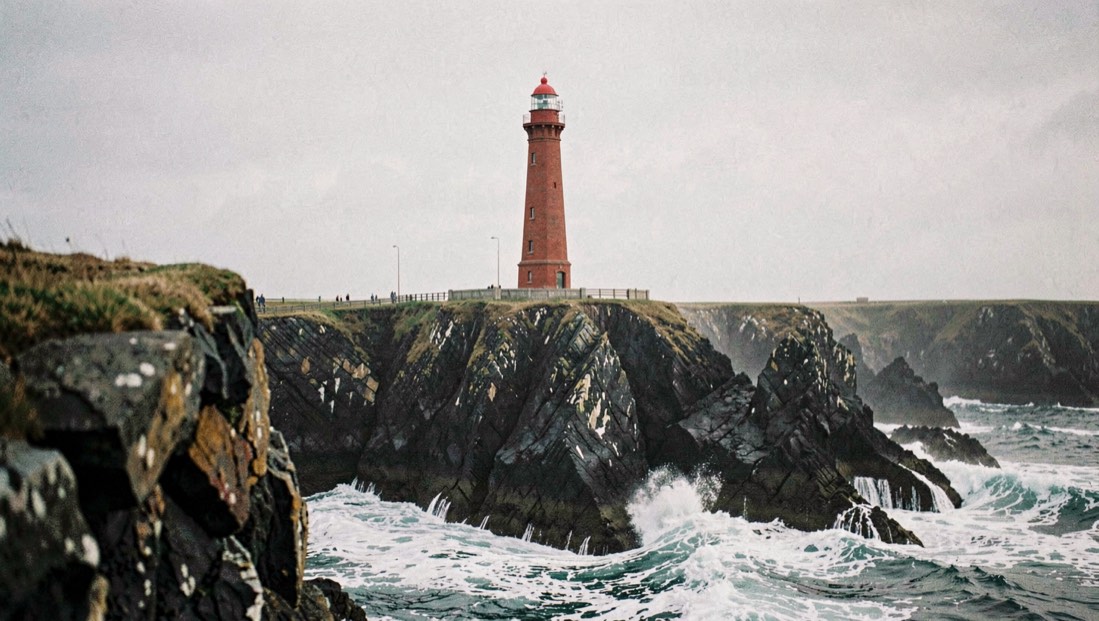
· Seasons and sea state
Sea state, swell and glare on a north Minch headland
A dated shore watch entry on how sea state, swell and glare decide what a watcher on a north Minch headland can see, month by month.
-

· Seasons and sea state
Sea state, swell and glare on the north Minch
A dated shore watch entry on how sea state, swell and glare decide what a watcher on a north Minch headland can see, and which species pass in which months.
-
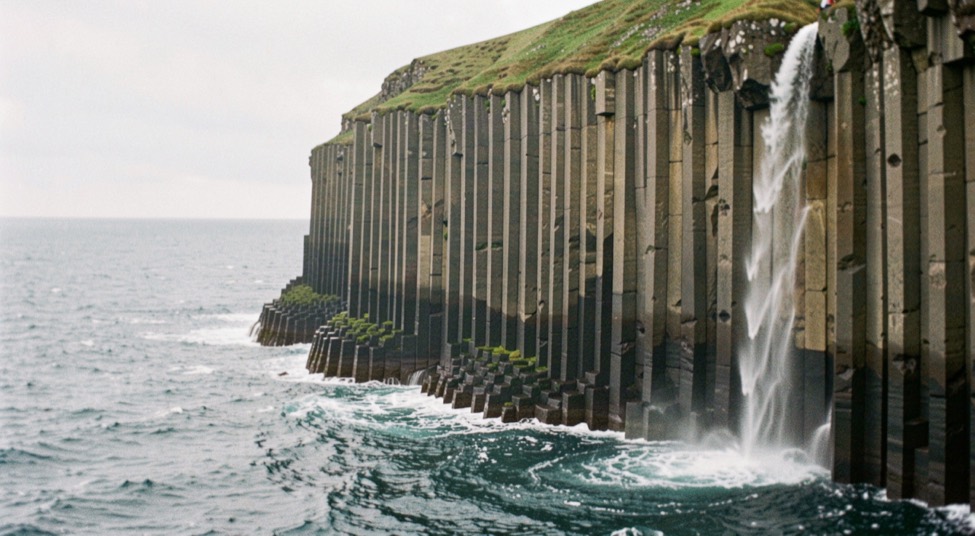
· Seasons and sea state
Sea state, swell and glare on a north Minch headland
A shore watcher's entry on how sea state, swell and glare decide which cetaceans are seen from a north Minch headland, month by month.
-
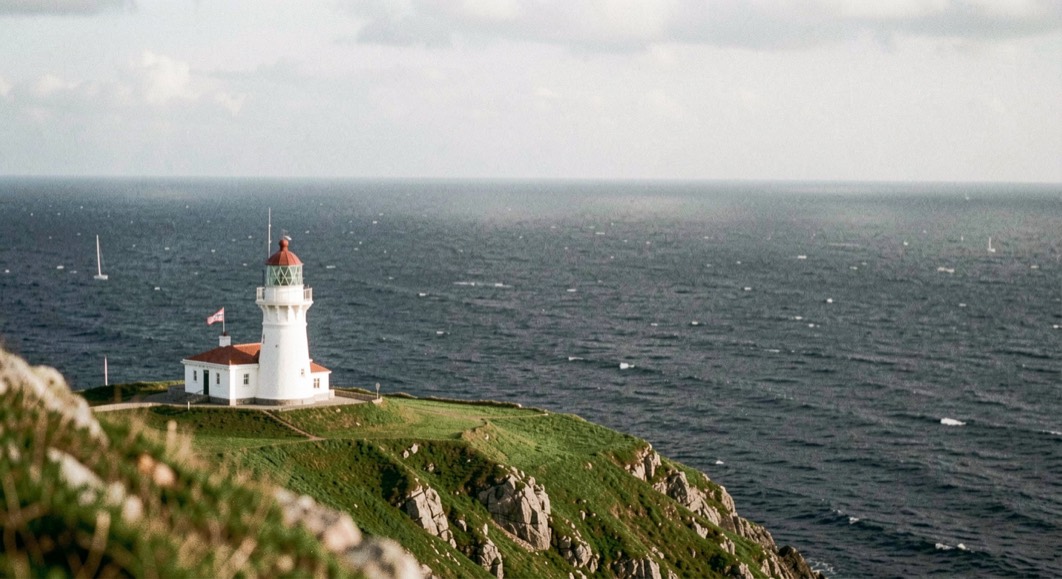
· Seasons and sea state
Sea state, swell and glare on the north Minch
A shore watcher's entry on how sea state, swell and glare decide which cetaceans can be seen from a north Minch headland, month by month.
-
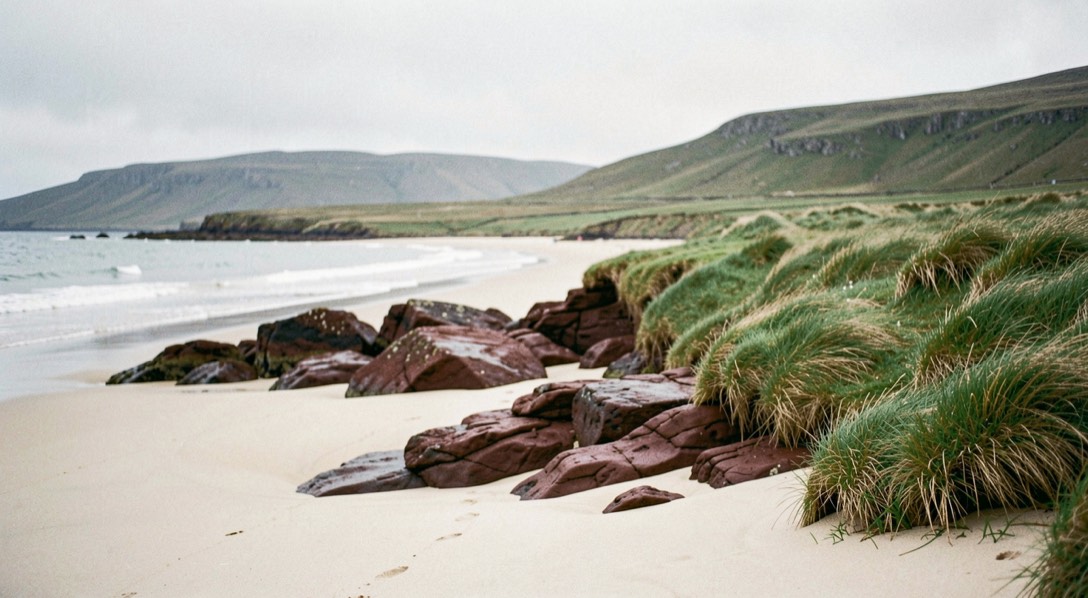
· Seasons and sea state
A shore watcher's calendar for the north Minch
A dated entry from a land based cetacean journal on the north Minch: which species pass, in which months, and how sea state and glare decide what is seen.
-
· Watch points
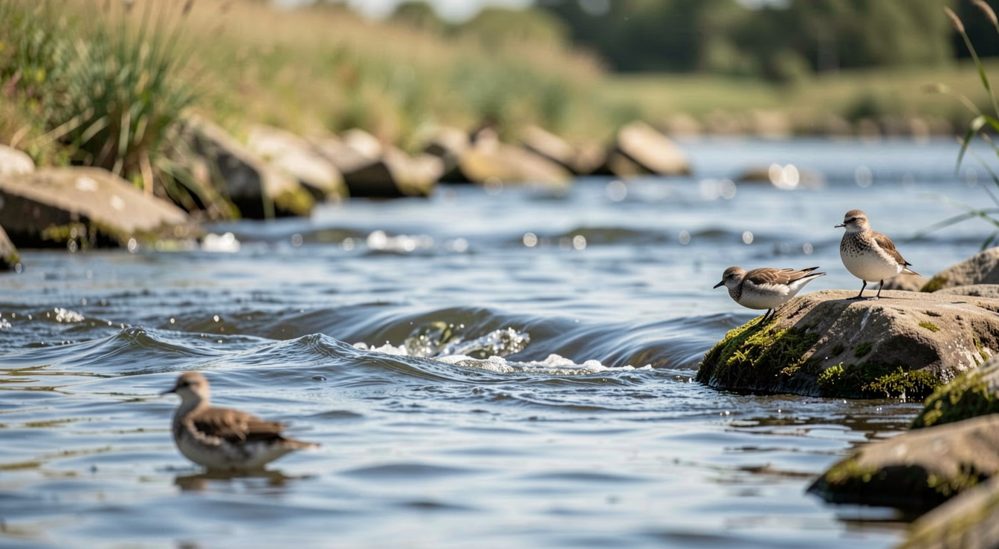
Watching water: reading surface, birds and current from shore
The surface is the only page the water offers. Birds, seams and surface movement are its punctuation, and the eye that reads them on a river reads them at sea.
-
· Watch points
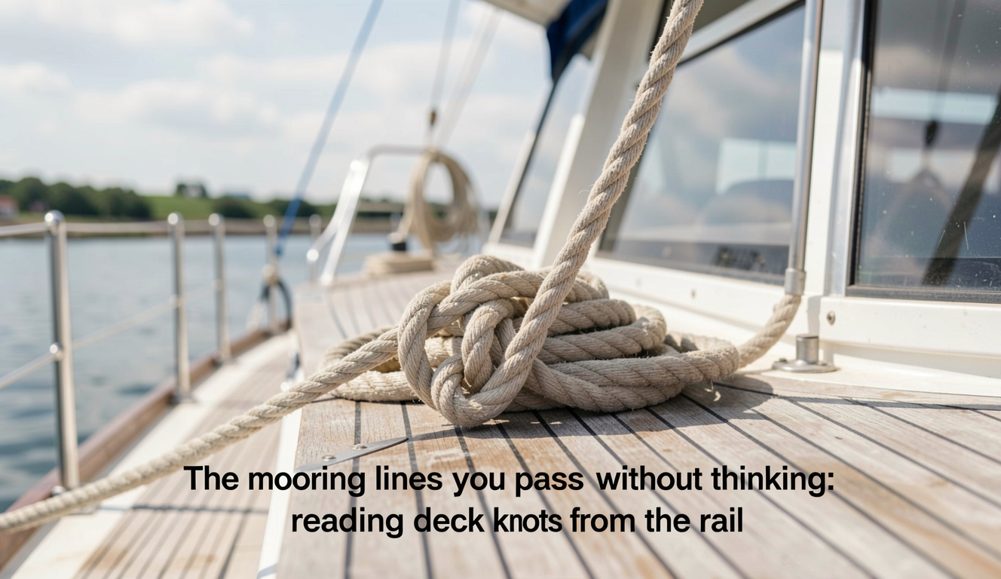
The mooring lines you pass without thinking: reading deck knots from the rail
A working deck is a text written in rope. A watcher who can read three of its words stops being luggage and starts being a witness.
-
· Seasons and sea state
Pairing a sea watch with a coast walk
The two activities share one grammar: a path, a point, a tide and a weather window. Joined properly, each makes the other better.
-
· Seasons and sea state
How travellers find a small operator on the coast
The traveller who wants a day on the water or a guided watch finds it through a small set of doors. This entry walks through them from the shore side.
-
· Seasons and sea state
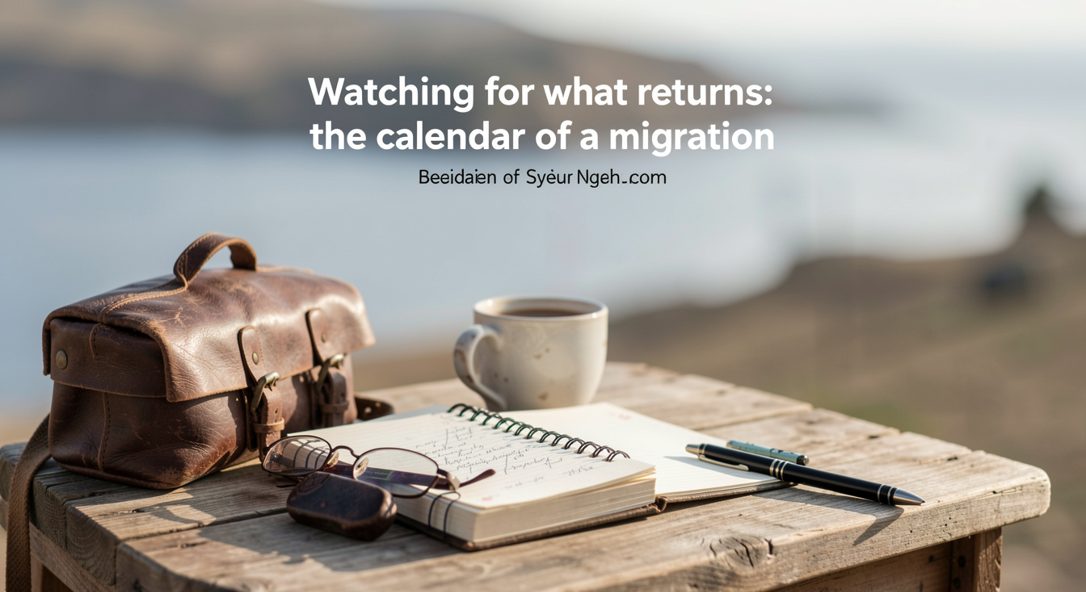
Watching for what returns: the calendar of a migration
The animals come back on a schedule they set and we approximate. The watcher’s job is to learn the shape of the approximation.
-
· Seasons and sea state
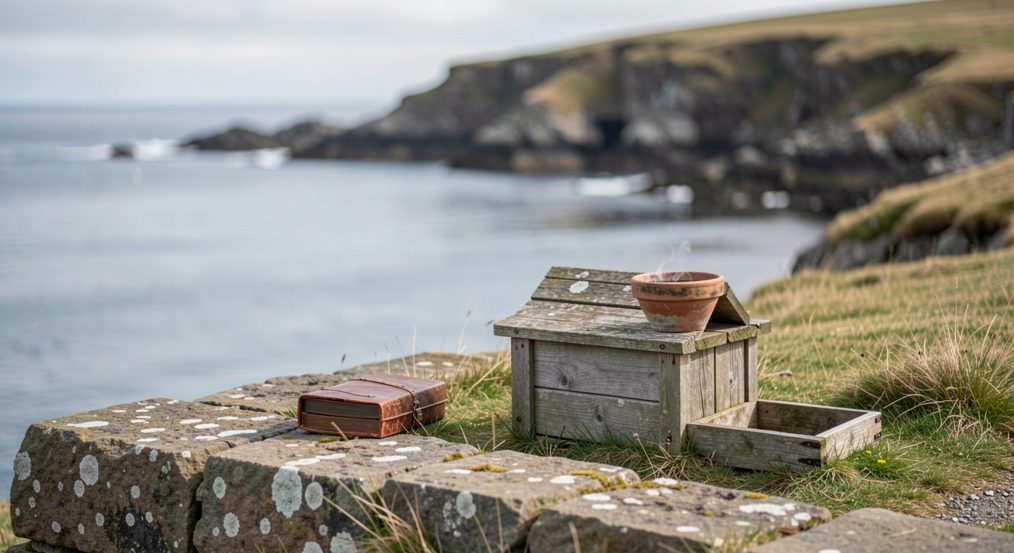
The spring shoulder season on the Minch
The weeks between the winter habit and the summer crowd. The resident animals are back on the record, the sites are quiet, and the light stays low for long enough to matter.
-
· Seasons and sea state
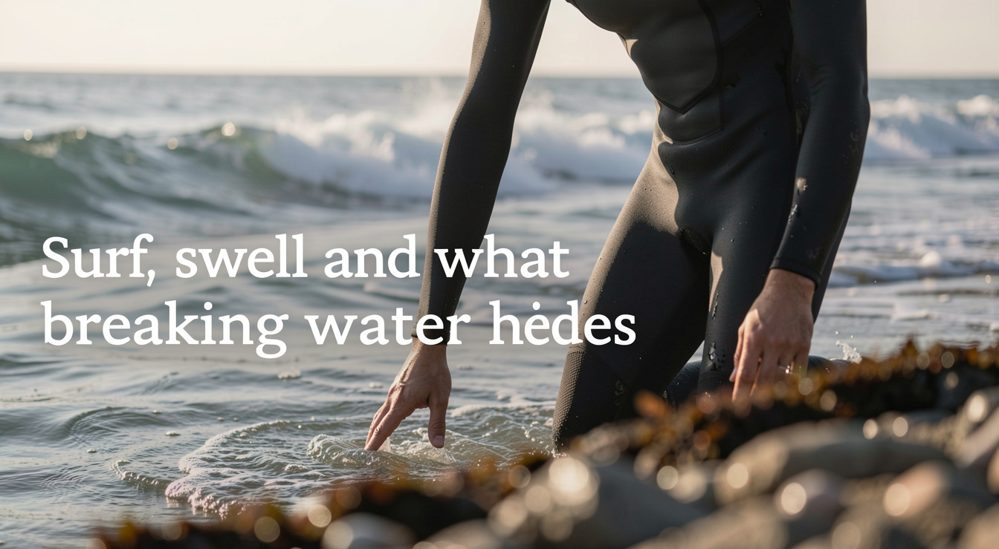
Surf, swell and what breaking water hides
The breaking zone looks like a wall between the watcher and the sea. Read properly, it is one more instrument: period, angle and the lines of white water all carry information.
-
· Seasons and sea state
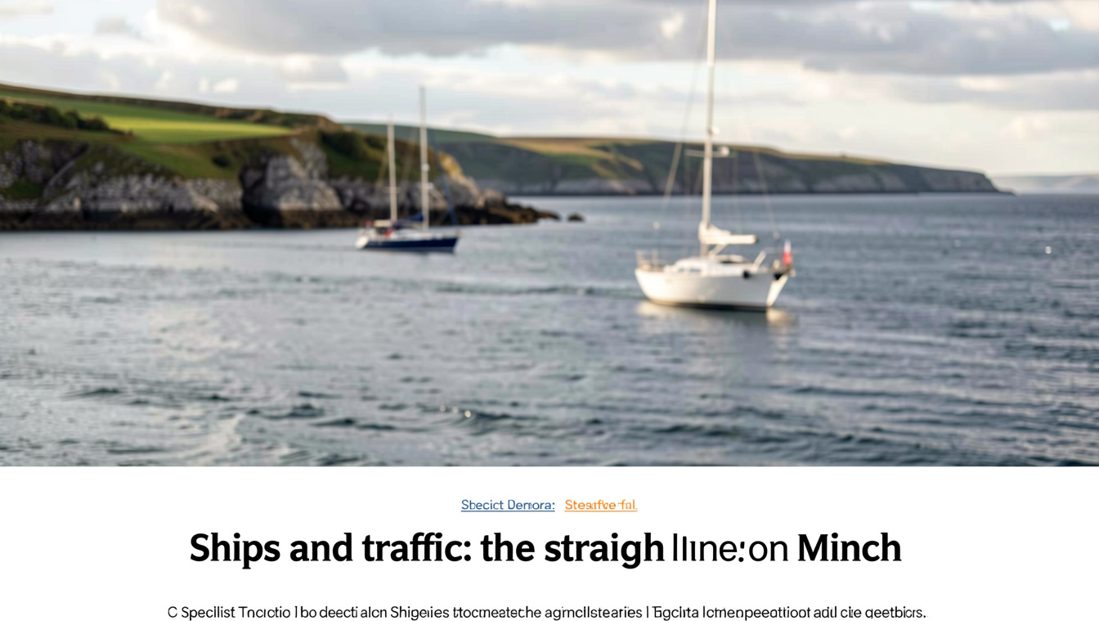
Ships and traffic: the straight lines on the Minch
Between the wildlife records runs a working sea. Ferries on the timetable, freight on the chart, fishing boats on their grounds: the traffic is part of the record.
-

· Seasons and sea state
The flask, the food and the long watch
Half of standing still on a cold headland is chemistry. The flask and the pocket food are not comforts bolted onto a watch; they are the machinery that keeps one going.
-
· Seasons and sea state
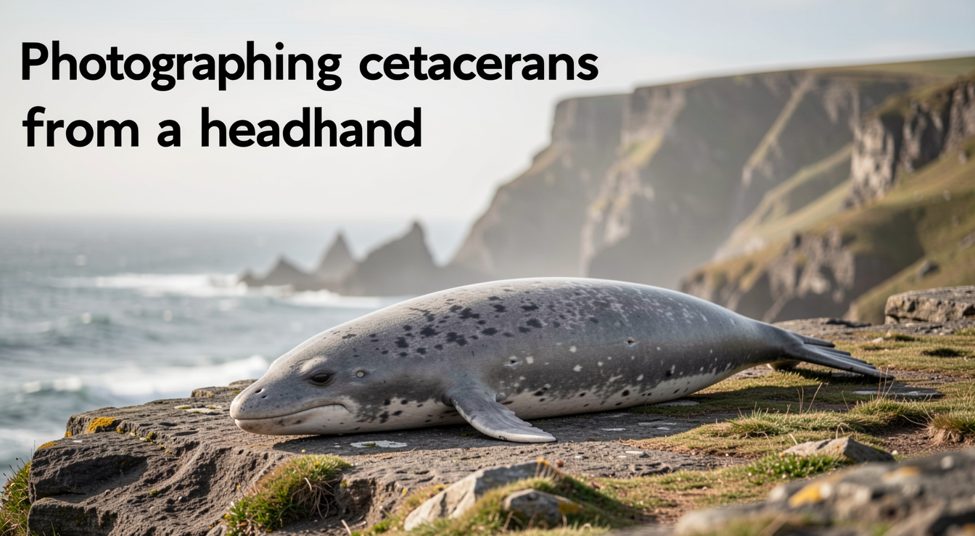
Photographing cetaceans from a headland
A camera at three hundred metres is a document before it is a picture. The shore watcher who photographs well is the one who decided, before the watch, what the camera is for.
-
· Seasons and sea state
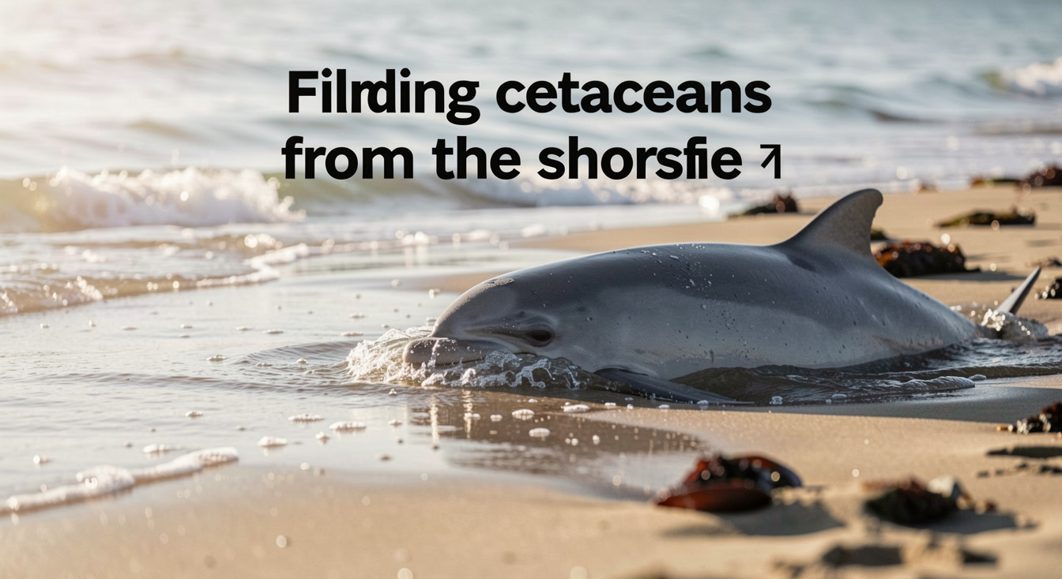
Filming cetaceans from the shore
A still proves an animal was there. A sequence proves what the animal was doing. The price is the same one every film crew pays: attention, and where it is spent.
-
· Seasons and sea state
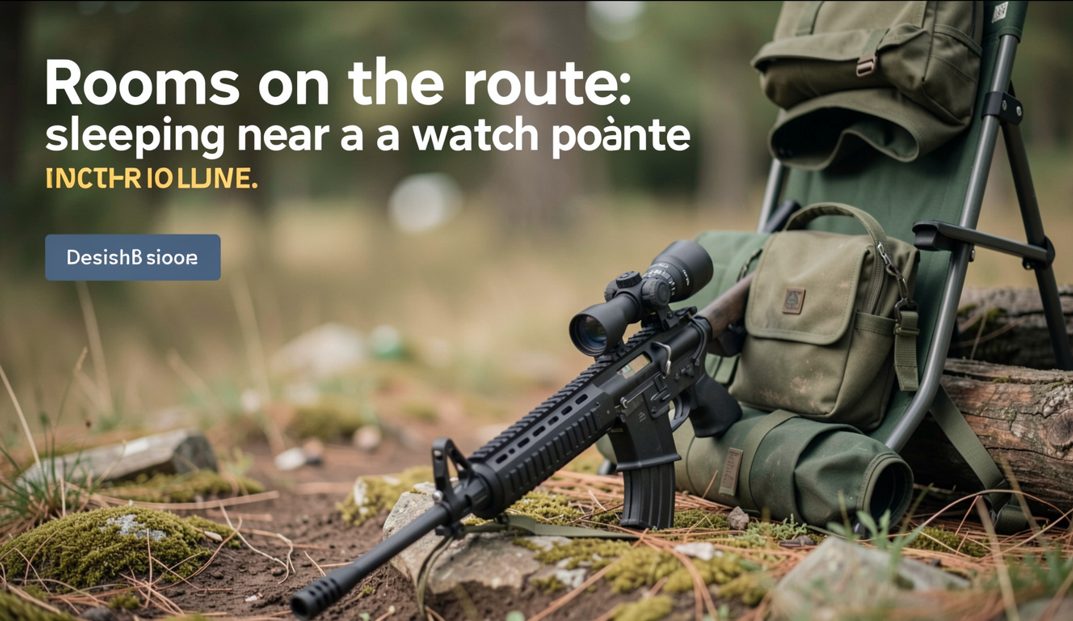
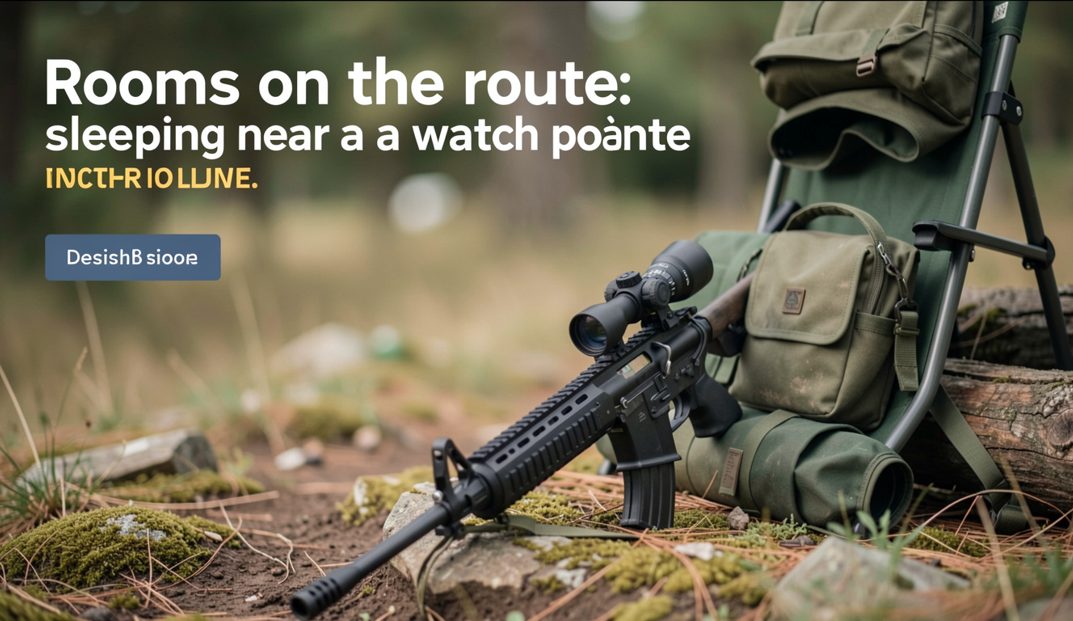
Rooms on the route: sleeping near a watch point
The best watch of the day starts before breakfast, which makes the bed a piece of watching equipment. What to check, and why distance beats comfort on this coast.
-

· Seasons and sea state
Old records and new watches on this coast
This coast was counted before the forms existed. The estate diaries, the fishery ledgers and the place names hold a baseline, and the modern watch reads beside it.
-
· Seasons and sea state
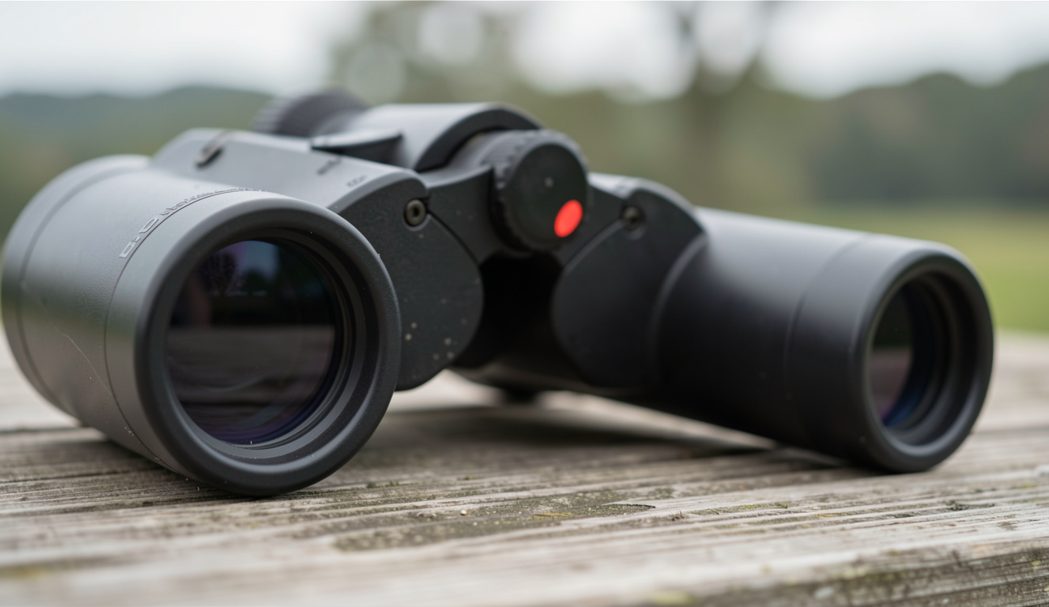
Learning to look: the eye behind the binoculars
The instrument that finds the animals is not the optics. It is the eye behind them, and the eye is trained like any other instrument: deliberately, repeatedly, against a record.
-
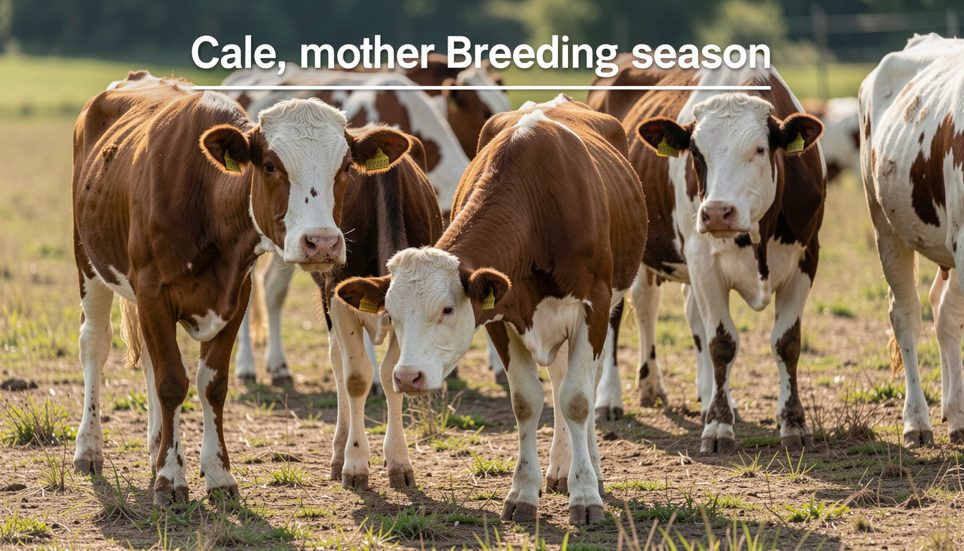
· Seasons and sea state
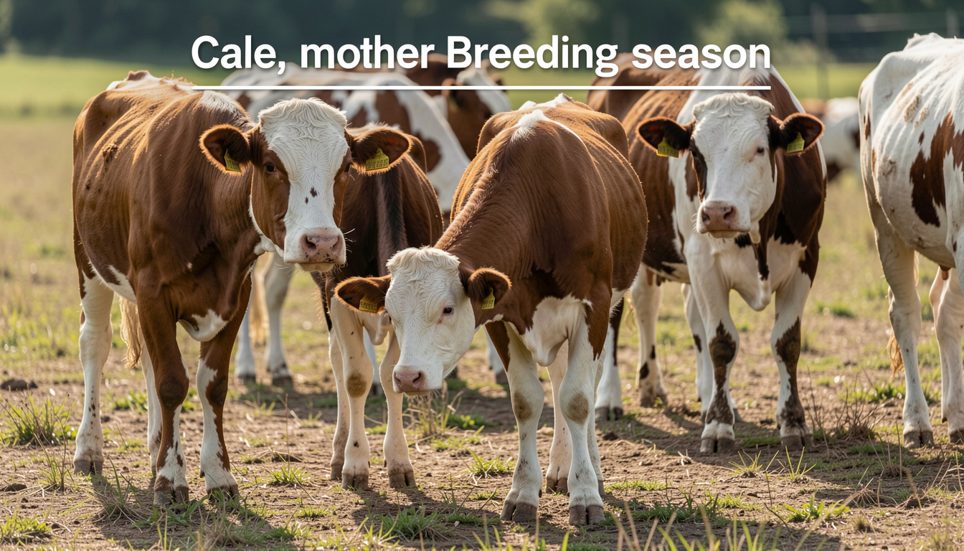
Calves, mothers and the breeding season
The season has a quiet second calendar. Beneath the sightings runs the breeding cycle, and the shore record holds more of it than watchers expect.
-
· Seasons and sea state
Markings and photo identification from the shore
A species is a name for thousands. An individual is a notch in a fin, and the shore watcher who catches one in a frame has made the record personal.
-
· Seasons and sea state
Fresh water watching: the same eye on a loch
The watcher who goes inland keeps most of the craft and changes only the subjects. Lochs are read like sea, at a different scale, and the comparison sharpens both.
-
· Seasons and sea state
Standing a long watch: backs, boots and posture
Watching is standing still in wind, and standing still is a load. The watchers who last a season are the ones who treat the body as part of the kit.
-
· Seasons and sea state
Where a season’s records live online
A record that lives in a notebook dies in a drawer. The path from the clifftop form to a shelf the future can read is short, and it runs online.
-

· Seasons and sea state
Watching together: community groups on this coast
One watcher is a habit. A group is a programme. The difference is arithmetic, and the arithmetic has a method any village can run.
-
· Seasons and sea state
The off season: autumn jobs of a shore watcher
The watching year does not stop in October, it changes job. The weeks between the last long watch and the first cold one are where next season is actually built.
-
· Seasons and sea state
Winter evenings off the water
The watch ends at dark, and the dark lasts fifteen hours. The winter coast keeps its own calendar indoors, and it is part of the same record.
-

· Seasons and sea state
The season reviewed: hosting the watch evening
A season ends at a table, not on a form. The evening that reviews it is part of the method, and the host runs it the way the watch is run: prepared, unhurried, and clear.
-
· Bush and Feather
South Coast wildlife guide
Bush and Feather is a field guide to the wildlife of the New South Wales South Coast, with identification tips for kangaroos, wombats and coastal birds, and the rules for watching them safely.
-
· Vermont Journal
woodturning guides and wood species
A workshop journal from the other side of the Atlantic: Vermont Woodturning reads grain, tools and green wood the way this journal reads water, slowly and from the record.
-
· Sendas da Costa da Morte
Costa da Morte in Galicia
For readers who follow Atlantic shores farther south, this Galician journal covers the Costa da Morte: tides, swell and coastal paths between Cee and Muxía, plus the walking route to Fisterra.
-
· Paddelbladet
sea kayaking self-rescue
For readers tempted to leave the shore and get on the water, Paddelbladet is a Swedish sea kayaking magazine covering self-rescue, cold water and how to read wind and current.
-
· Licht und Lauf
wildlife photography at distance
Shore watchers carrying a long lens will find this German guide worth a look: wildlife photography built on respectful working distance and documented exposure values.
-
· Sandsend Notes
a Yorkshire coast notebook
Further south on the same island, Sandsend Notes keeps an English record of the Yorkshire shore between Staithes and Robin Hood's Bay: its fishing villages, the alum and jet workings in the cliffs, and the coastal paths that link them.
-
· Seasons and sea state
Winter shore watching on this coast
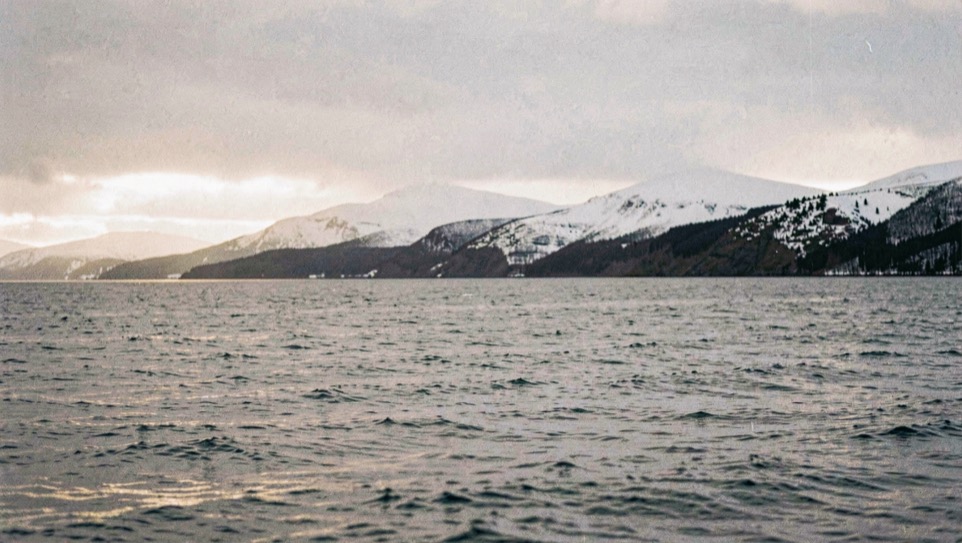
The season people write off. The resident animals do not leave, the light is low and clean, and the standardised watches keep going through it.
-
· Seasons and sea state
Summer on the Minch: peak, haze and glare
The season when the animals are least of the problem. What costs a summer watcher a sighting is usually the sun, the crowd or the hour of the day.
-
· Seasons and sea state
The north Minch season, month by month
Eight of the ten species in this journal are recorded in every month of the year. The season is therefore not about presence. It is about peaks, and there are only four of them.
-
· Watch points
Rhue and Loch Broom: the sheltered option
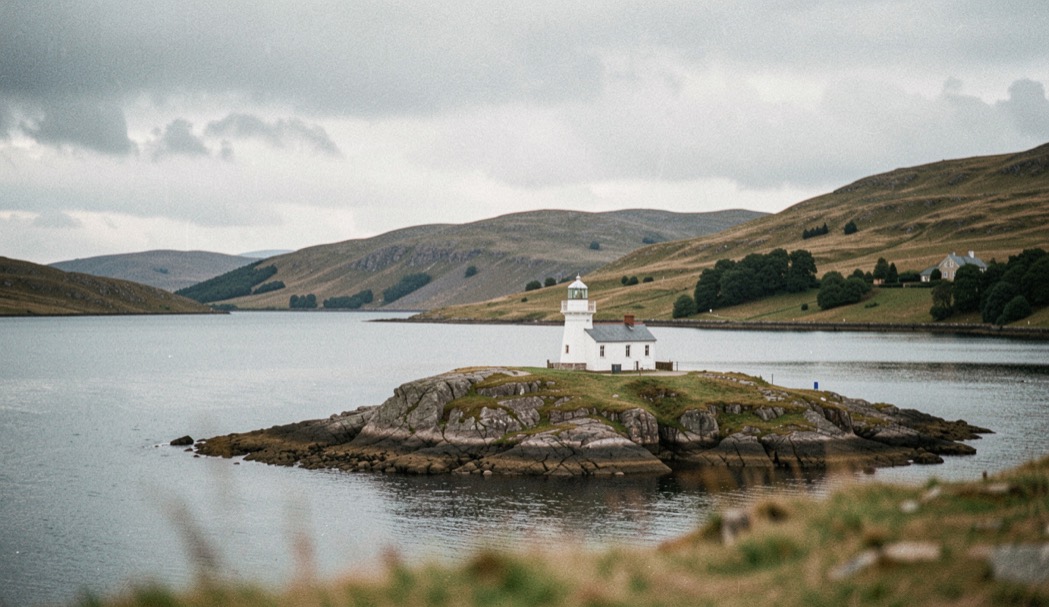
A sea loch inside a harbour porpoise Special Area of Conservation, a lighthouse with a view to the Summer Isles, and a standardised watch already in place.
-
· Watch points
Clachtoll: a low shore on the Assynt coast
The lowest watching position in this register, and the one with the strangest published reason for its animals: channels cut into the seabed by ice.
-
· Watch points
Kilt Rock: height over the Sound of Raasay
One of the few places in the UK where very deep water sits this close to a road, and the only site in this register where the problem is looking down rather than out.
-
· Watch points
The Butt of Lewis: watching from the edge
The most exposed position in this register, with the widest field of view and the least shelter. Good spotting is possible without leaving the car park.
-
· Watch points
Tiumpan Head: deep water under a lighthouse
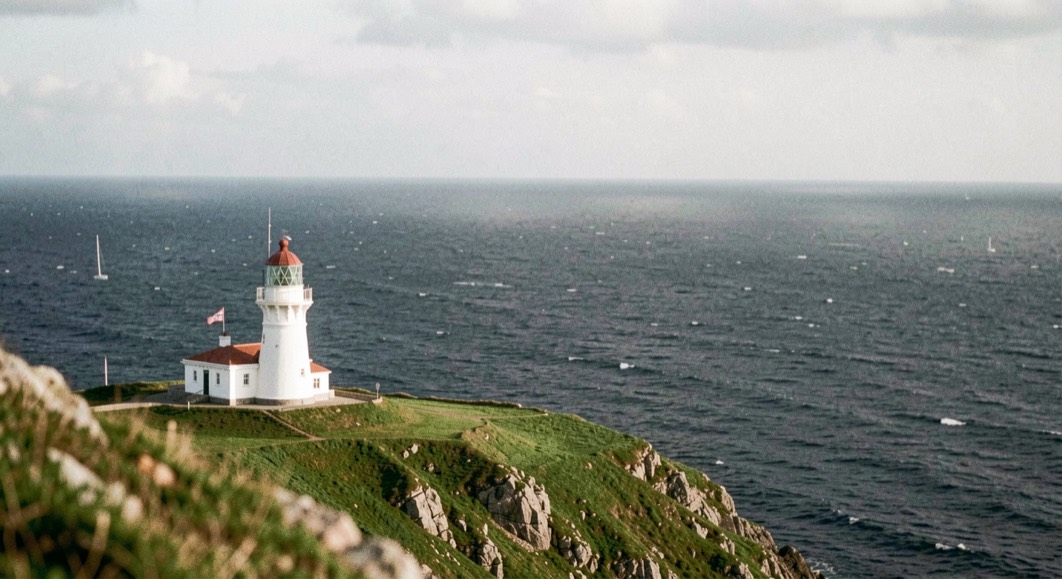
Water that drops away sharply a few hundred metres from your feet, a Risso’s dolphin protected area offshore, and a car park that fills by ten.
-
· Seasons and sea state
Sea state, and what each step hides
One number, from zero to seven, explains more about a blank afternoon than any other single thing a shore watcher can write down.
-
· Species
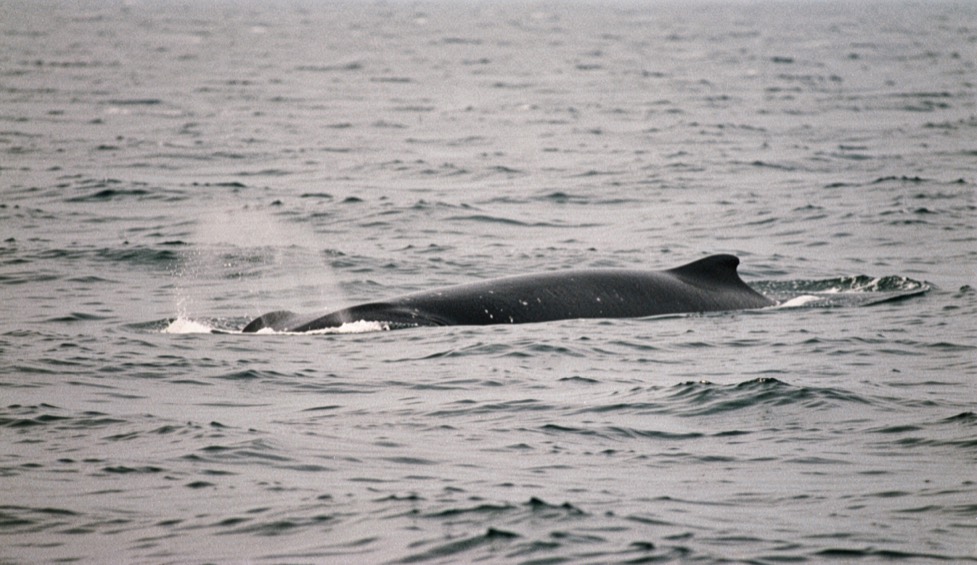
Sperm whales beyond the Outer Hebrides
A deep water whale that belongs beyond the shelf. Very rare here, unmistakable when it appears, and most often met on this coast as a stranding.
-
· Species
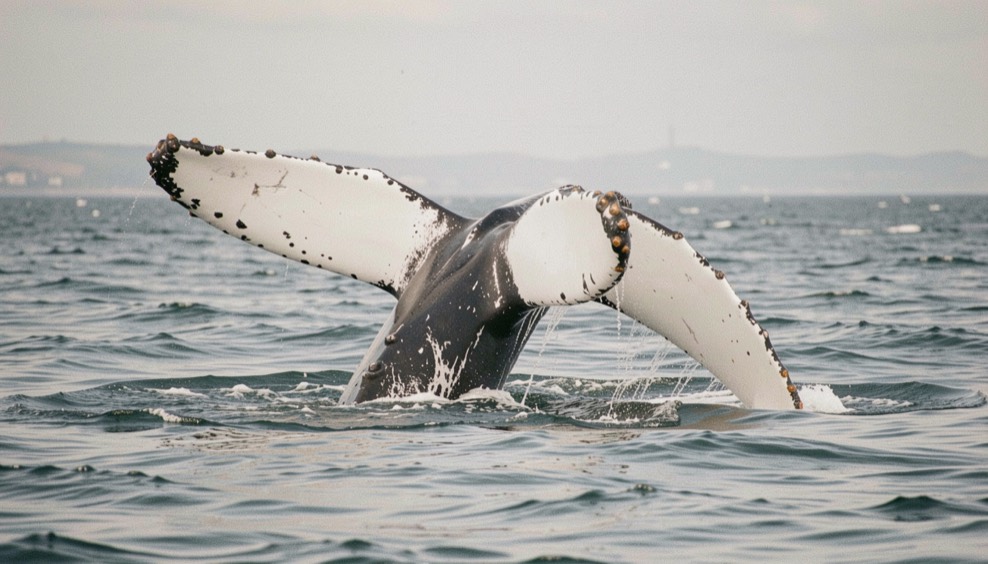
Humpback whales on the north-west coast
Still rare in UK waters, still recovering from whaling, and the one large whale here that announces itself: a four metre blow and a lifted tail.
-
· Seasons and sea state
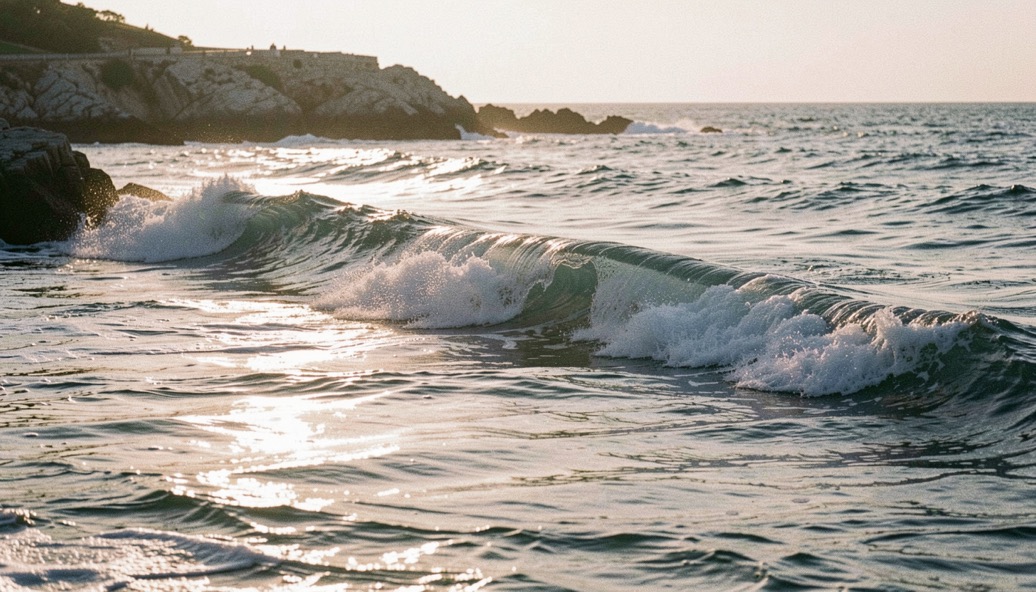
Swell, visibility and glare on a shore watch
Sea state gets the attention. Swell hides animals in troughs, haze eats the far half of the sector, and glare removes the method altogether.
-
· Species
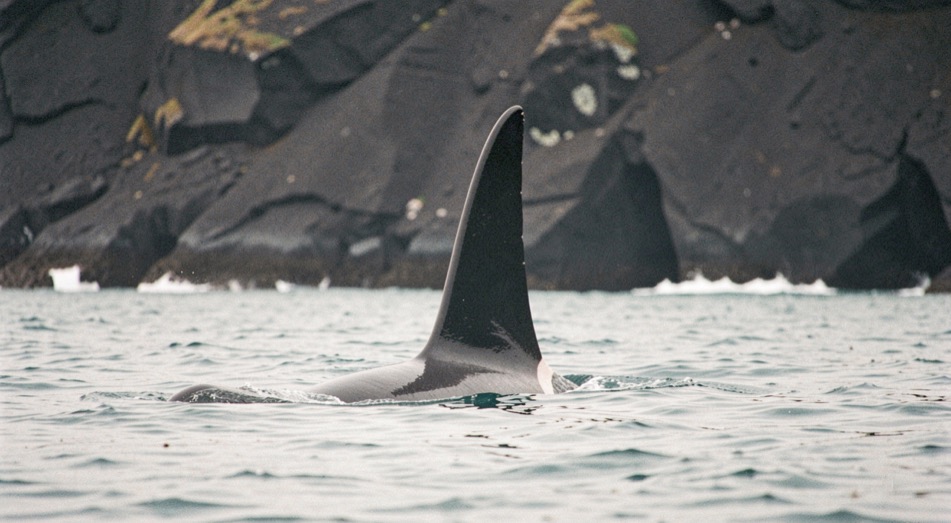
Killer whales of the Hebrides from a headland
Eight resident animals, no calves in living memory, and visitors from Shetland, Orkney, Iceland and Norway. The rarest sighting here that is also the easiest to identify.
-
· Species
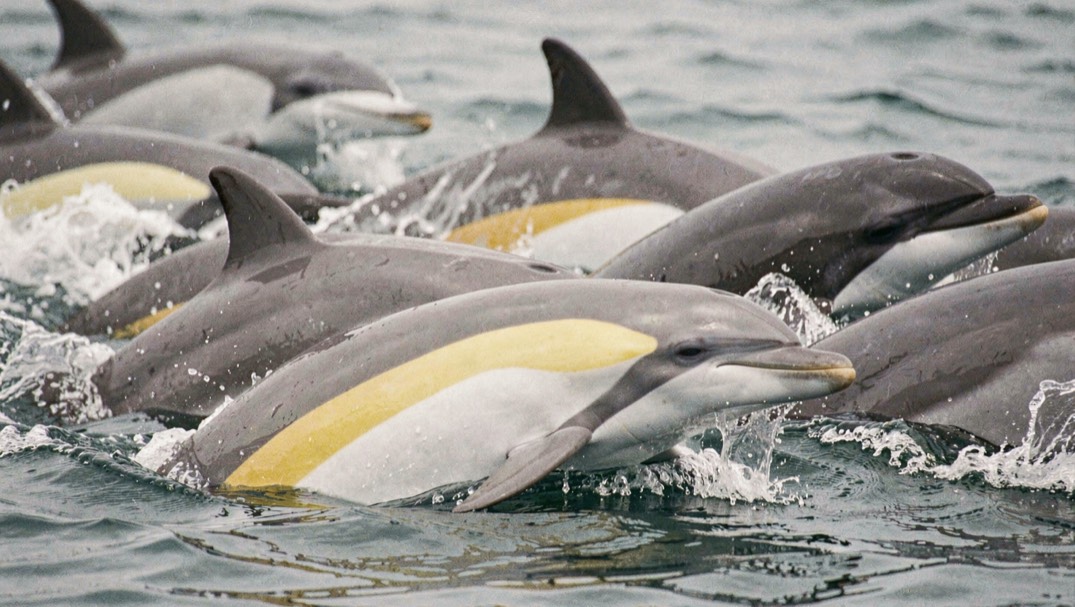
Atlantic white-sided dolphin: the yellow blaze
A shelf edge dolphin with the most sharply delineated markings of any animal in these waters, and the one you are least likely to see from a headland.
-
· Species
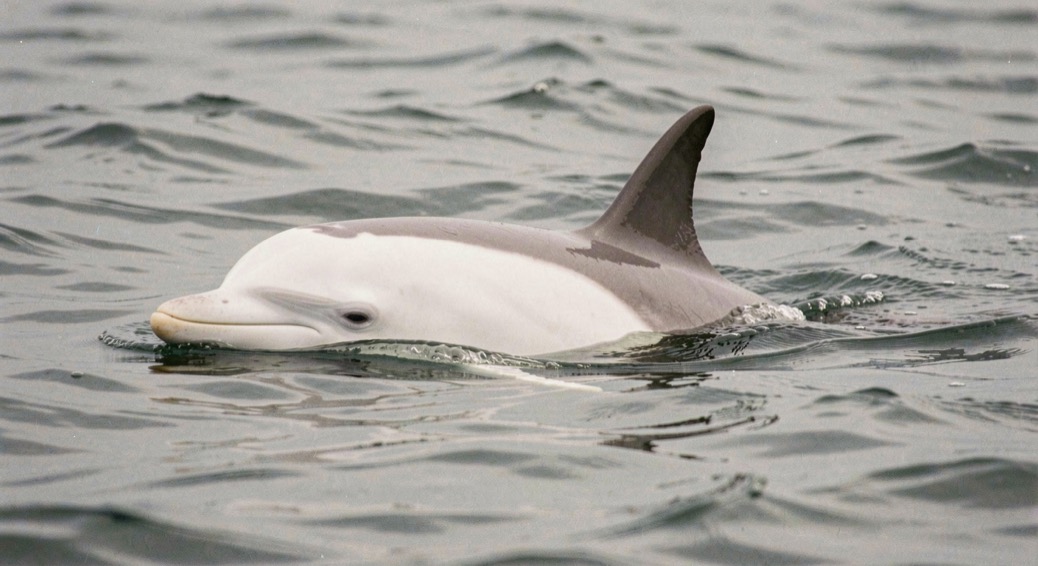
White-beaked dolphin: a cold water dolphin
A powerful North Atlantic dolphin whose numbers here may be falling as common dolphin numbers rise. The saddle patch is what settles it.
-
· Species
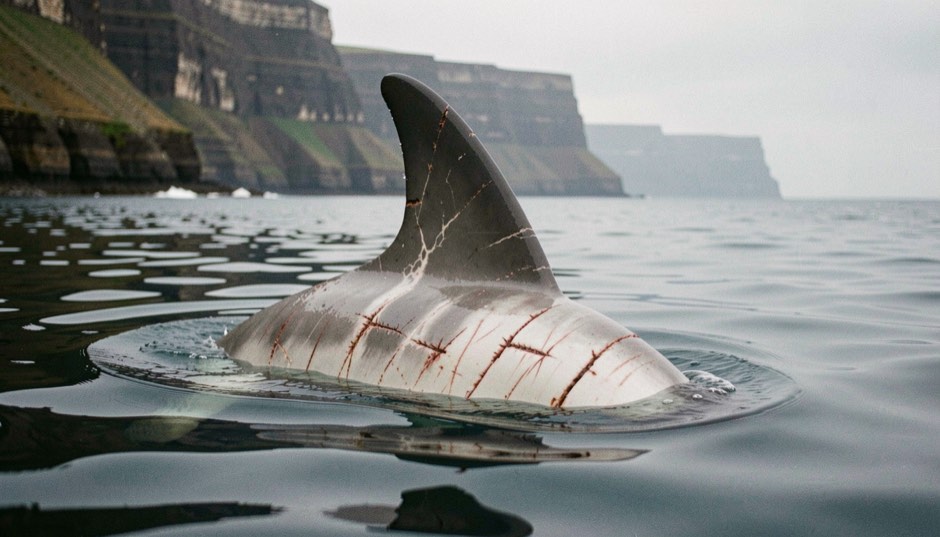
Risso’s dolphin: the scarred grey of deep water
The dolphin that gets whiter as it gets older, feeds on squid at night, and has a Marine Protected Area on this coast designated for it.
-
· Species
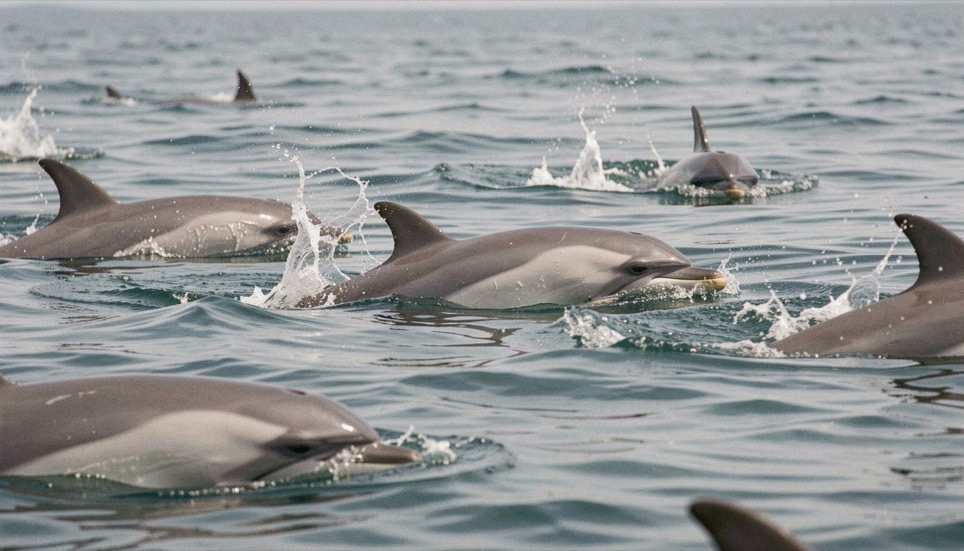
Common dolphin: the hourglass of the open Minch
The one species on this coast that a watcher usually detects before identifying: a distant line of white water that turns out to be thirty animals in a hurry.
-
· Species
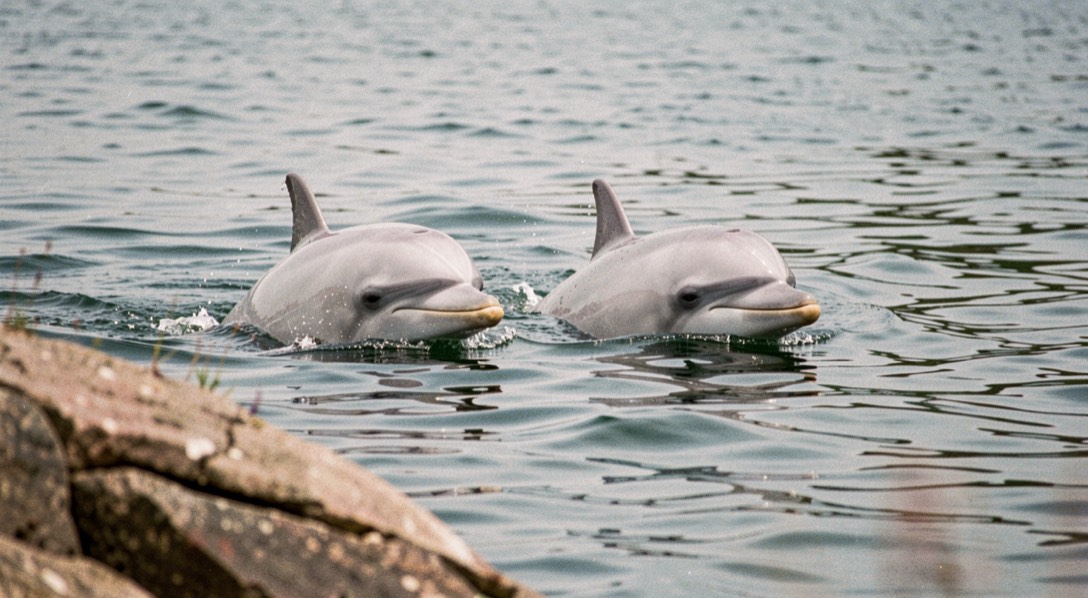
Bottlenose dolphins of the west coast
Bigger than the dolphins most people expect, tied to headlands and bays, and counted in tens rather than in thousands on this coast.
-
· Species
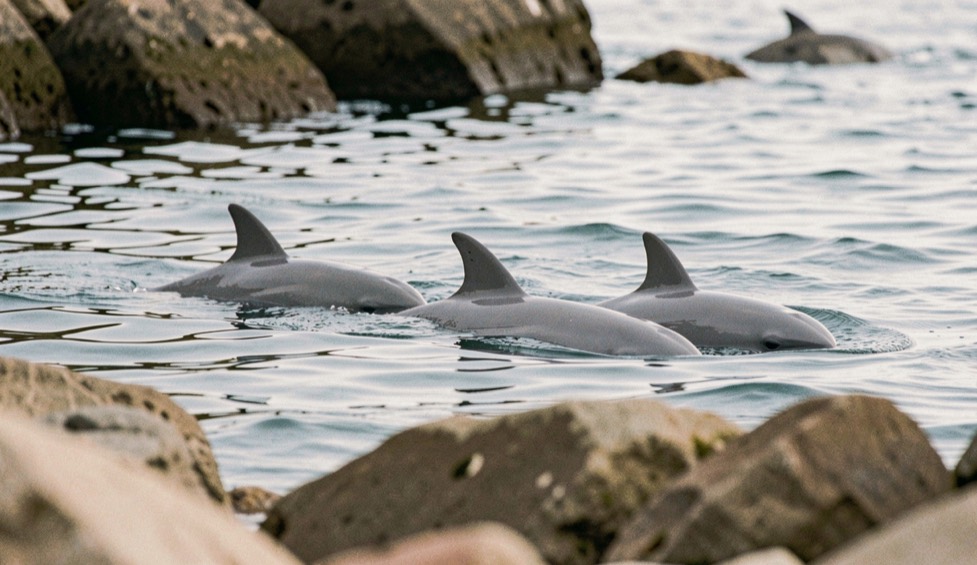
Harbour porpoise: a small roll, close in
Recorded in every month of the year in the Hebrides, present in numbers among the highest in Europe, and invisible above sea state 2. The porpoise is a lesson in conditions.
-
· Species
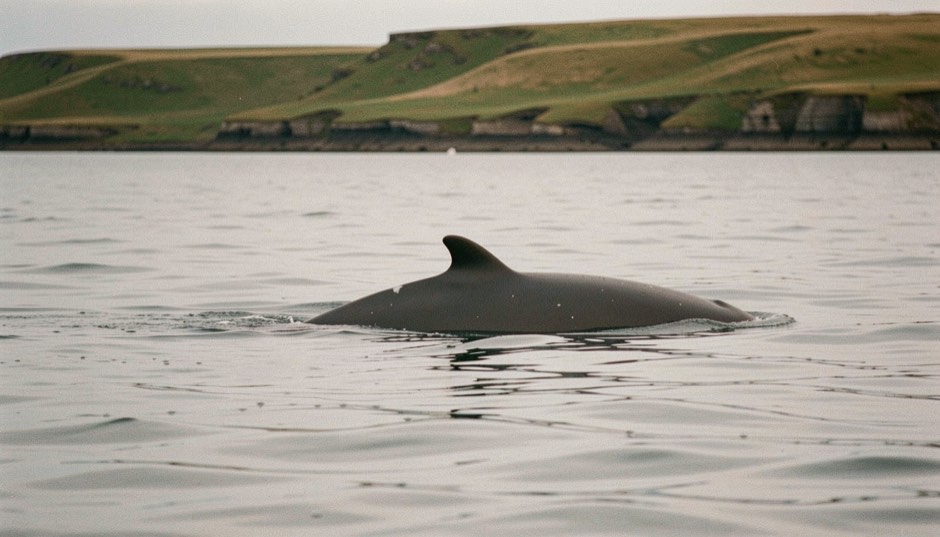
Minke whale in the north Minch, from land
The large whale a shore watcher on the Minch is most likely to meet, and the one most often missed, because it does not announce itself with a blow.
-
· RegisChamagne
guide to cruise cabins
Readers planning time at sea can consult these French guides to cruise cabins, seasickness prevention, tipping and Antarctic cruises.
KEPTKept up to date
The pages revised as the season moves, not left behind by it.
-
· Seasons and sea state
The north Minch season, month by month
Eight of the ten species in this journal are recorded in every month of the year. The season is therefore not about presence. It is about peaks, and there are only four of them.
-
· Species
Minke whale in the north Minch, from land
The large whale a shore watcher on the Minch is most likely to meet, and the one most often missed, because it does not announce itself with a blow.
-
· Watch points
Tiumpan Head: deep water under a lighthouse
Water that drops away sharply a few hundred metres from your feet, a Risso’s dolphin protected area offshore, and a car park that fills by ten.
-
· The journal
About North Minch Shore Watch
A journal kept from land, by watchers, about what passes the coast: which species, in which months, and what the sea state allows.
This journal is a third party account of what passes the coast: The Shore Watch desk keeps it and answers for it. the season page is the page every season note leans on, and the contact page reaches the desk.
FIELDPages worth keeping close
These field notes stay here because they are reread, kept current and useful as reference when the coast changes.
-
· Watch points
The shore watch points
The reference register for choosing a headland: depth close in, eye height, shelter and the limits of each watching position.
-
· Species
Common dolphin: the hourglass of the open Minch
A species article about the fast, noisy pod that can announce itself from kilometres away, then settle identification with its hourglass flank.
-
· Seasons and sea state
Winter shore watching on this coast
A guide to the short, clear winter window, the animals that remain, and the disciplined records that make a cold watch useful.
-
· Watch points
Rhue and Loch Broom: the sheltered option
A field note on sheltered water, where a calm sea loch can stay readable when exposed headlands have been lost to weather.
-
· Seasons and sea state
Sea state, and what each step hides
An article that turns the sea state scale into a practical reading of what each step hides from a watcher on land.
-

· Watch points
Shore Watching and Adult Singing: Two Patience Games
How shore watching in the North Minch and adult singing in Washington, D.C. share the same slow disciplines of attention, breath and regular practice.
-

· Watch points
Shore Watching and Motorcycling: A Shared Patience
Shore watching for whales and motorcycling share patience and observation. A look at the A1 class and the Yamaha YZF-R125 from 2008 to today.
ABROADA change of waters
For a comparison beyond the Minch, this French guide reads the common dolphin’s hourglass flank alongside other small cetaceans in French waters.
It offers a change of zone for readers comparing identification features, not a local reporting procedure. Read the French dolphin guide.